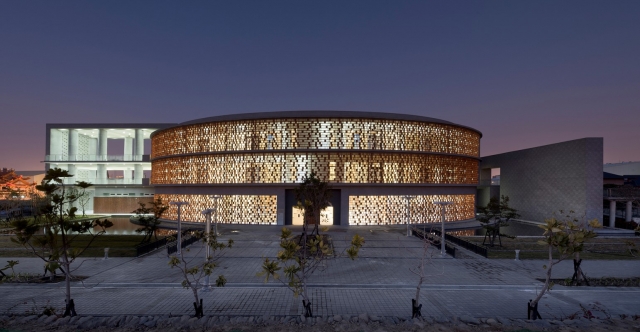
Photo Source: internet
In the previous Article, we have raised the possibility of relocating the memorial park to another location in the event that the leasehold tenure of the park land shall expire and has not been renewed accordingly, or when compulsory acquisition happens. However, this has been a super sensitive topic to raise as witnessed in the failed proposal for relocation of Kuala Lumpur Kwang Tung Cemetery to give way to urbanisation were faced with vehement objection and strong resistance from the Chinese community.
Learning from the experiences of other countries, relocation of a cemetery is usually necessitated by urbanisation, where the original location of the cemetery has now become very central and valuable in a city’s development. We have learned that Singapore, China and Taiwan have encountered such issue, and these governments have gone through great efforts to carry out cemetery relocation exercises successfully.
In other cases, relocation is preferred as the original cemetery have fallen into disrepair and becomes unsightly or even becomes unfit for use. It is foreseeable that some tombs or urn compartments will be neglected eventually due to absence of subsequent generations to pay homage. This situation will become more acute as drastic change in remembrance practices or rituals in the future, such as virtual or online remembrance prayers, may even render cemetery or memorial park obsolete.
The author has had the opportunity to visit Qijin Life Memorial in Qijin, Kaohsiung (as shown in featured photo above) which is a successful case study for whole cemetery relocation into a newly constructed columbarium building. Qijin Life Memorial occupies 2,852.5square metre in land area, unlocking almost 87% of original cemetery land which has now been repurposed as a public park serving as urban open space for the city, as well as a memorial garden preserving part of the historical values for the local community.
The author was informed that at the initiative of the local municipality, the Qijin community embraced this cemetery relocation and land revitalisation project to gain greater economic, social as well as environmental mileage that is beneficial to everyone. More importantly, the local community have been assured that homage can then be carried out in the comfort of a well-designed, award-winning, green building.
Where columbarium building is concerned, regardless of whether the land is leasehold or freehold, relocation will be a necessity when building lifespan is up and eventually the columbarium building becomes unfit for use. As high rise columbarium is becoming a trend in cities where land is scarce, it would have been irresponsible for any management company of such scheme to leave this issue unaddressed.
Taking all these into consideration, perhaps a leasehold cemetery land allows our future generations to take charge and decide what they should or want to do about the existing memorial park, when land tenure is up.
 HM WONG & ASSOCIATES